

UI / UX Design
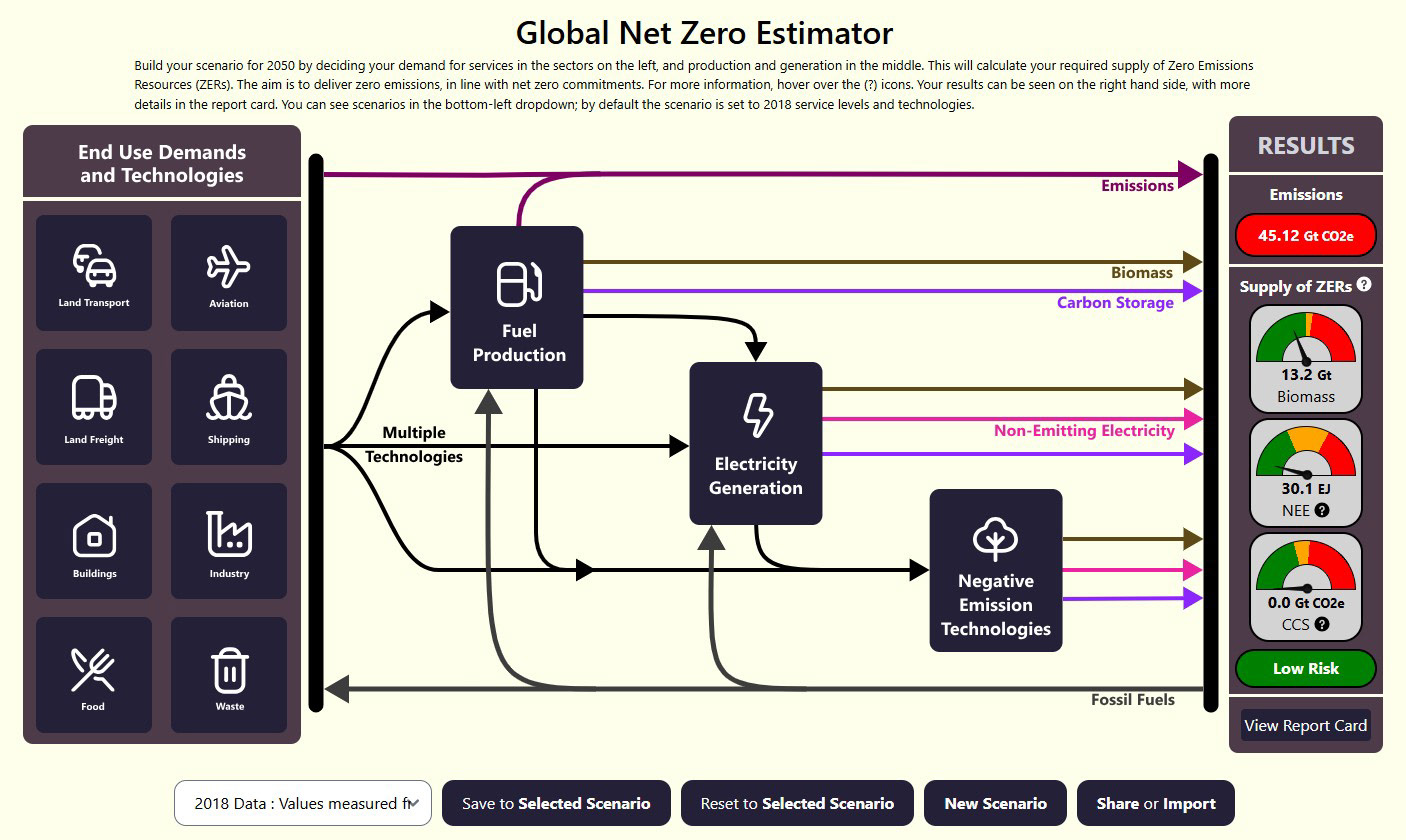
I led the UX / UI design of climate knowledge-sharing tool, ZERcalc, an interactive zero-emissions resources visualiser.
I developed a flowchart of user interaction and mock-up designs which I presented t to developers and beta testers. I oversaw the design and beta-testing of the final calculator, now used internationally by partners to visualize their energy, emissions and zero-emissions resources, helping enterprises of all sizes to train and share knowledge about resource efficiency, in order to transition to a greener economy
Website design and development
I am highly experienced in building and managing websites using Drupal and WordPress, having designed, built and managed sites for over 12 years. I work to build an effective system to form a bridge between you, your partners and the public - to support the flow of knowledge.
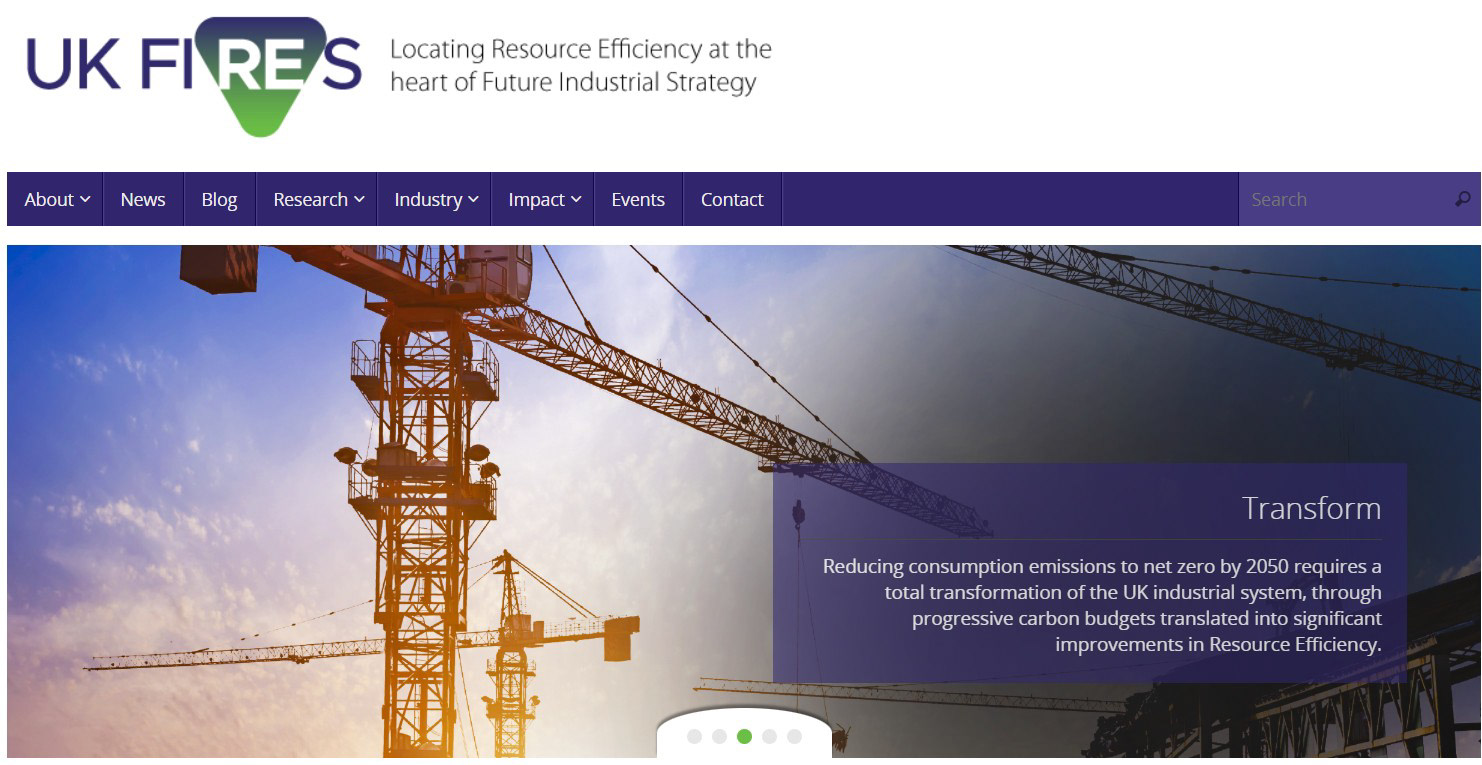
UK FIRES incorporates connections with multiple international partners, stakeholders, funders and sponsors to share knowledge and collaborate more effectively on resource efficiency. I developed this brand and built the site using Wordpress. I also developed and edited the content for 5 years.
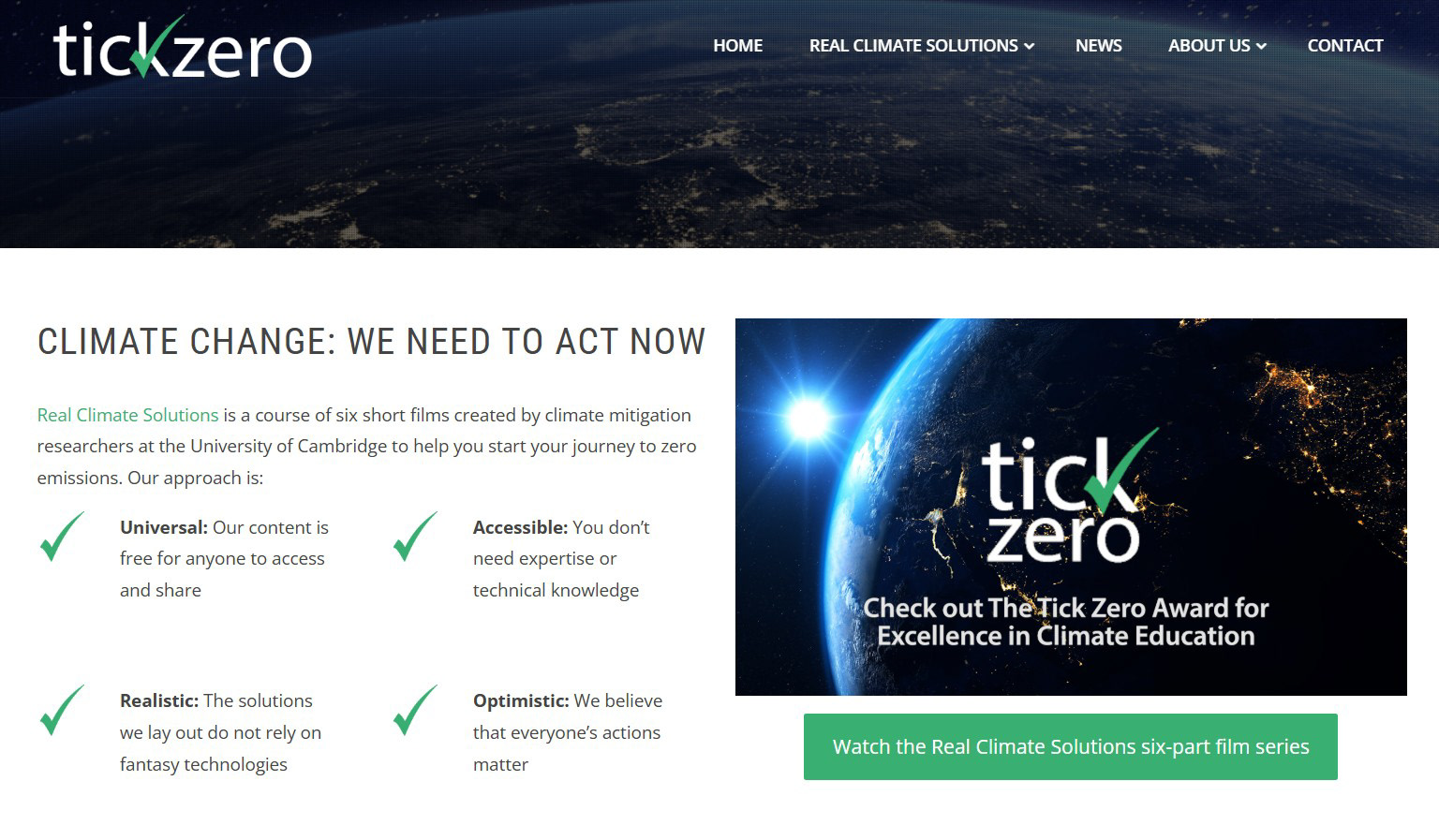
Tick Zero an impact resource providing training materials for teachers and resources for children, to ensure that climate mitigation is woven into the school curriculum for all children. I co-founded and created the brand, developed all the content, designed the website with Wordpress and created the Tick Zero Award for schools.
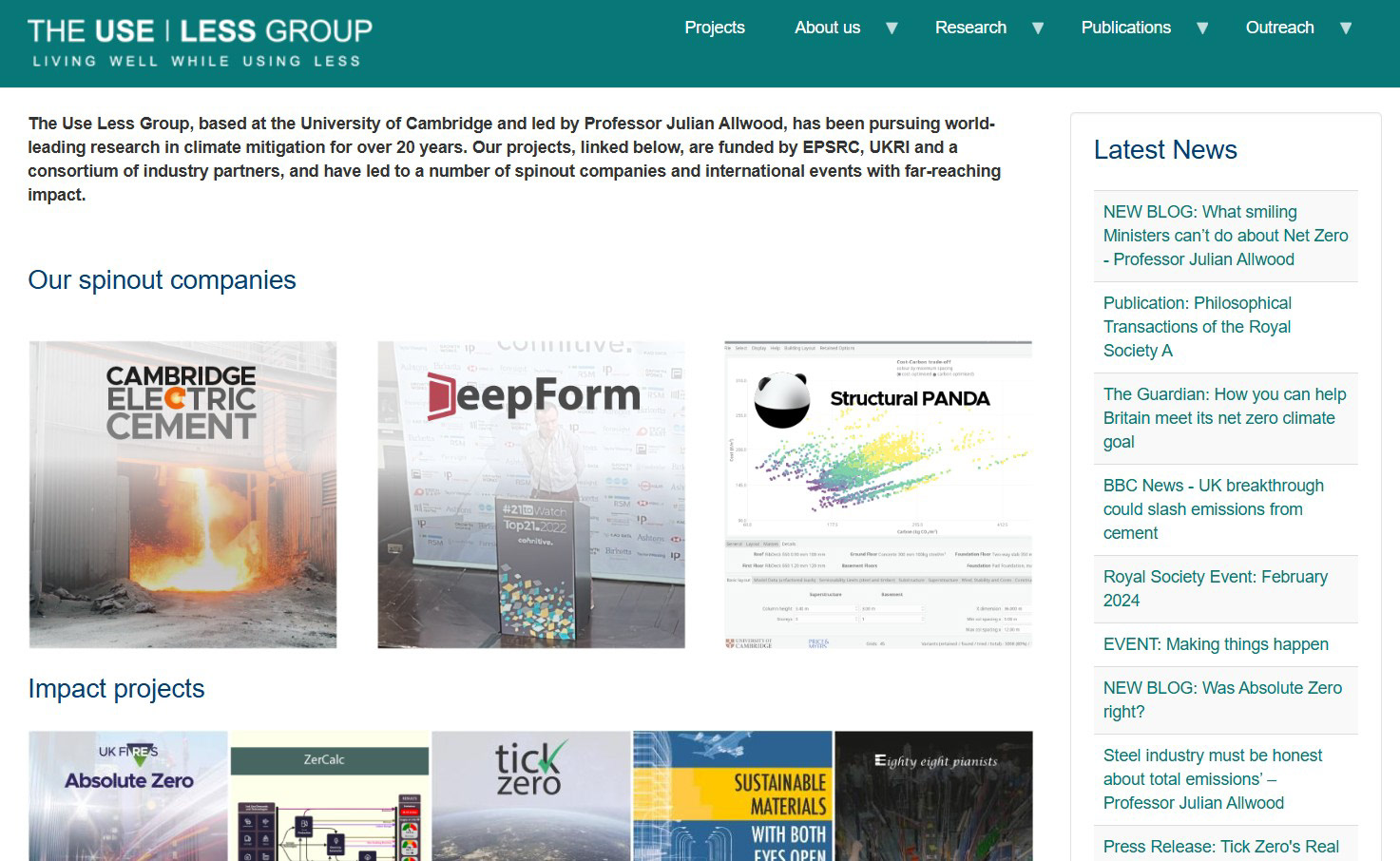
The Use Less Group is the public-facing site for a world-leading climate research centre. I created the site using Drupal to organise more than 600 pages, including papers, articles, books, images, graphics and multimedia. I wrote the text and edited research papers into more accessible articles on the site.
Process
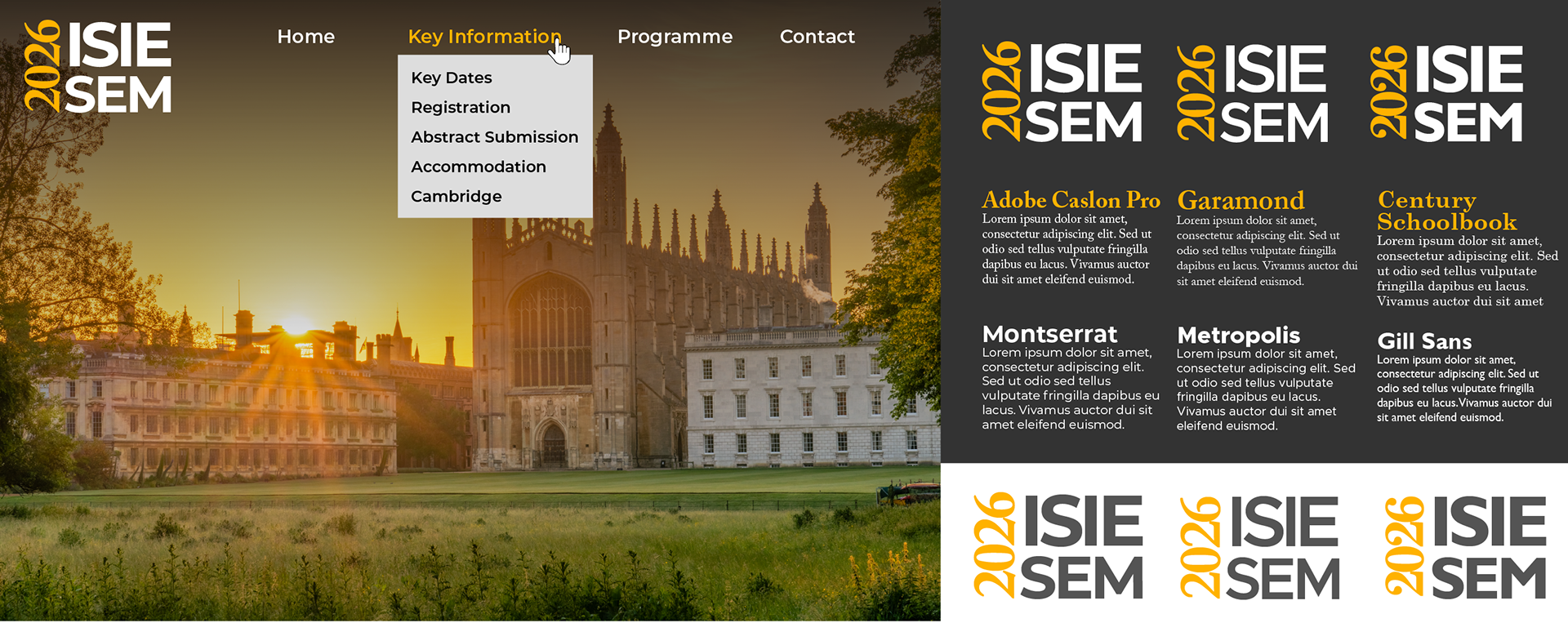
I usually begin by creating a mock-up of the visual ldentity of the site using Illustrator, along with a flowchart of the user interaction, on which I base the menu structure. I present this to key stakeholders as part of brand and UX development, then implement and iteratively edit the HTML and CSS according to feedback, and manage sites and content long-term.
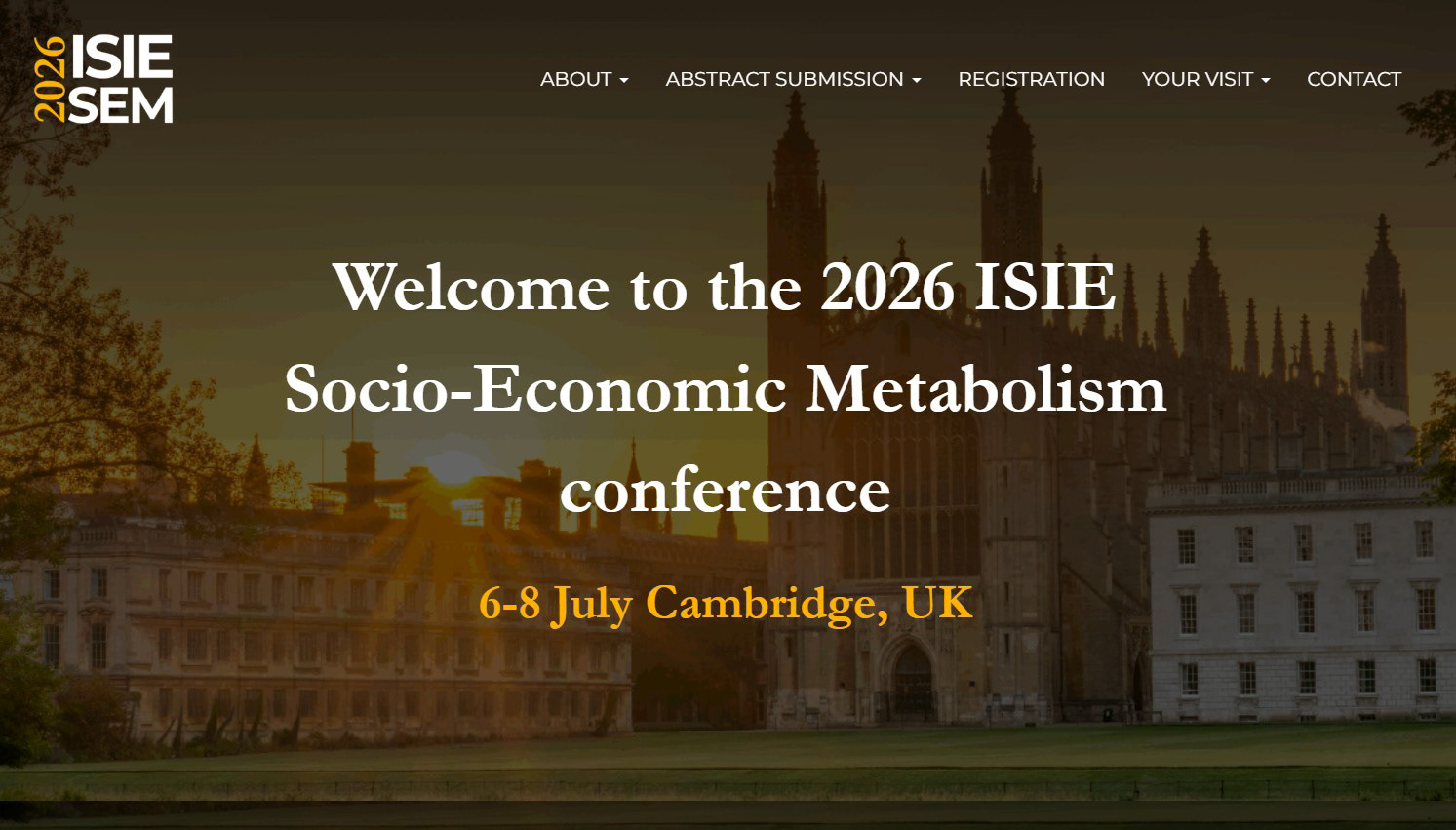
I then choose the most appropriate tool for the site. A larger, more complex structure is better suited to Drupal because of its remarkable functionality in categorising and organising content using taxonomy and entity referencing. A simpler structure with attractive interactivity is often better on Wordpress, like the final version of the SEM Conference site, mocked-up above.