

I am an expert in building websites and managing publications using Drupal, having designed, built and managed sites and content using this CMS for over 12 years.
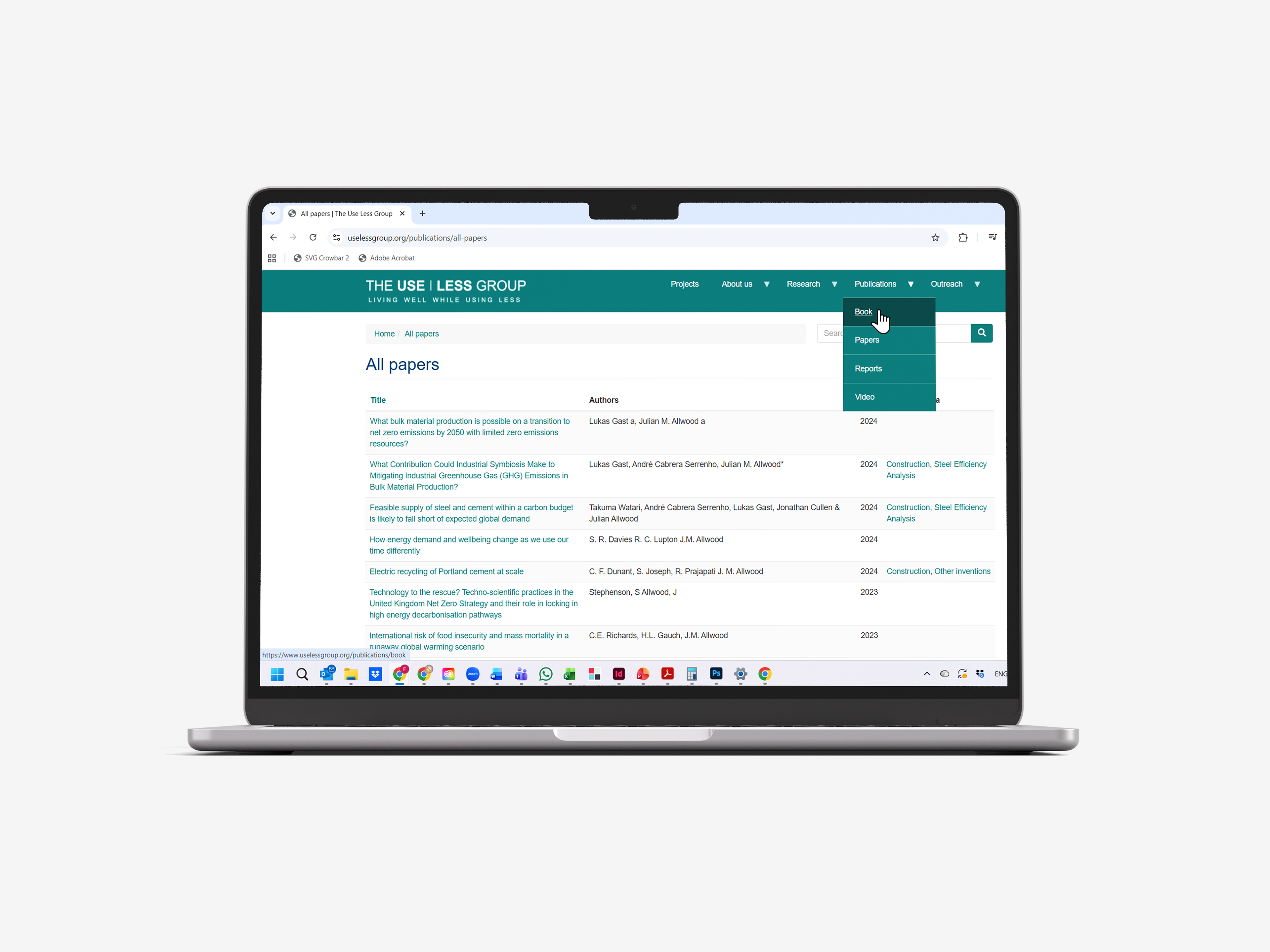
Date: 2013-2025
Tool: Drupal
Project: Design and build a Drupal site as the online home of several decades of research, including more than 600 unique nodes, several books and manuals, more than 20 long form reports, 200 journal papers and multiple videos, articles and other content
Result: A well-structured, intuitive catalogue of connected research publications and content, designed, built and managed using Drupal 7 and 10 from 2013 to 2025.
The Use Less Group is the public-facing site for a world-leading climate research centre. As well as building and managing the site, I provided training to close colleagues and other internal staff on content management and best practices for design and publication. I focused on publishing many shorter reports (up to 100 pages) as downloadable pdfs, organised using the Views module. I used the same type of Drupal structuring for academic journal papers, but used a complex arrangement of back-referencing to link back to author biographies and related content.
Thousands of Pages of Publications
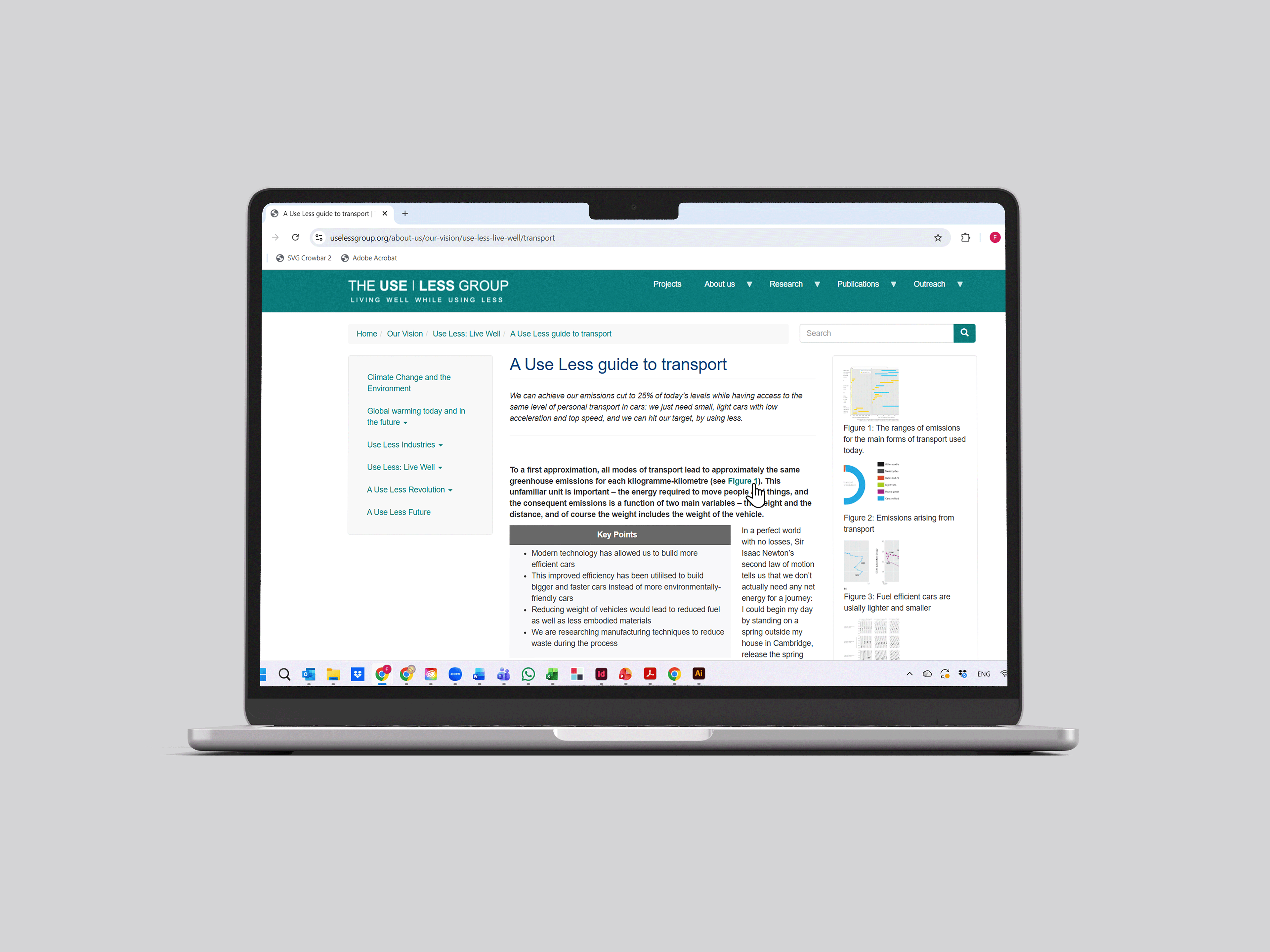
For complicated content structures, guidelines and books, I created online versions within Drupal to compliment the printed designs, structured with contents pages, subsections with hierarchy, and hyperlinks throughout for easy navigation.
In this longform example, I gave the nodes their own content types with taxonomy and entity referencing to build menu hierarchy on the left. I made the referencing to figures within the text clickable, with the figure appearing as a Lightbox popout, ensuring that the graphics remained linked to the relevant text, and were shown in a way which was intuitive to an academic audience familiar with online journals.
I used Views, Blocks and back-referencing to build the whole book, and link it to other related papers and articles.
Drupal is by far the best tool for this type of publication as it can be structured so the user has an intuitive journey, while my role as the designer and content manager is simplified with robust foundational use of content types, views, blocks and reference fields.
I'm also an experienced user of Wordpress, and have built and managed a number of websites using this CMS. Where I use Drupal for managing a higher number of nodes and publications for my academic, scientific and humanitarian work, I would use Wordpress where less content, but more JavaScript features and media integration benefit the output.
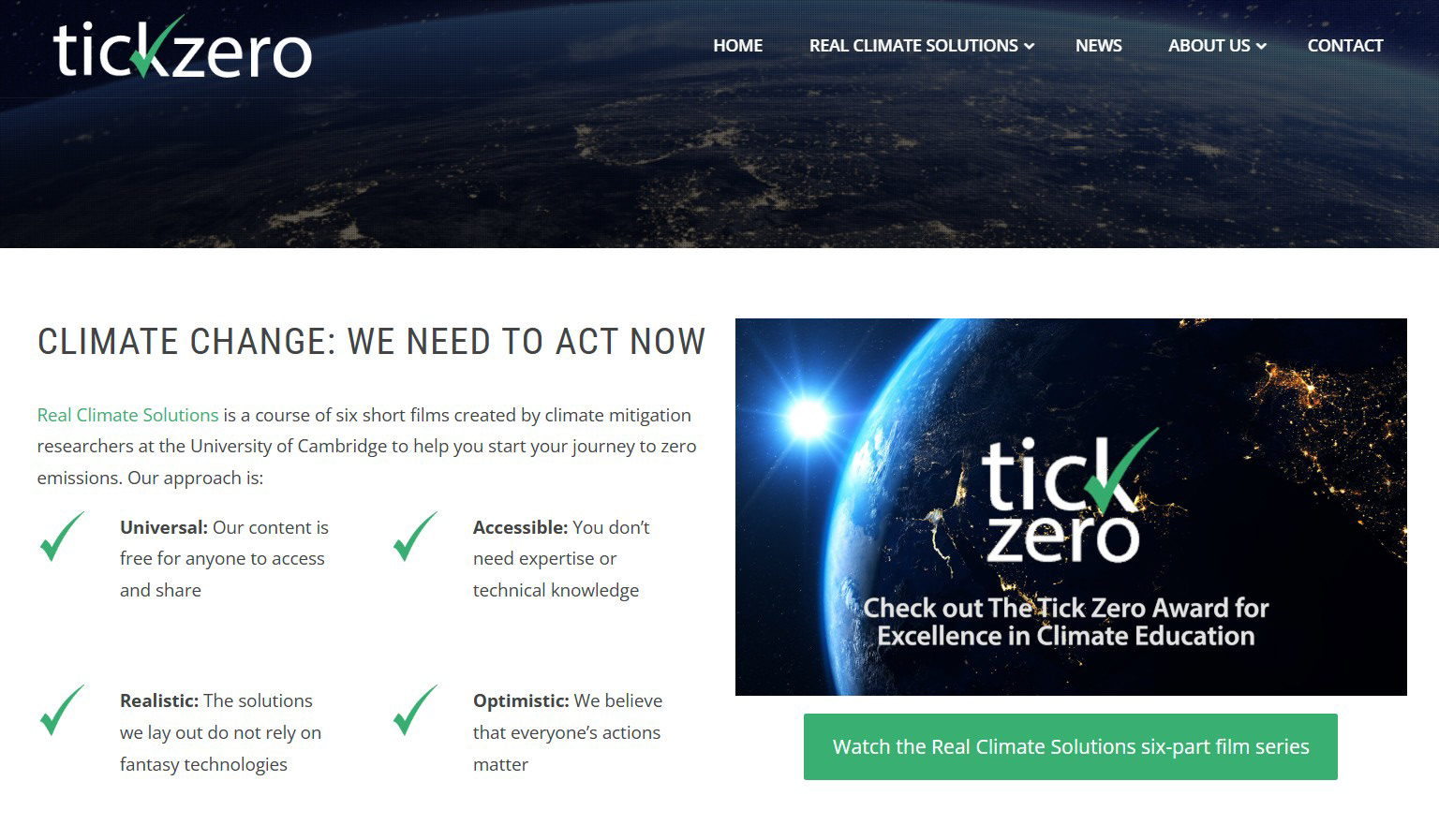
Tick Zero is an knowledge resource providing training materials for teachers and resources for children, to ensure that climate mitigation is woven into the school curriculum for all children. I co-founded and created the brand, developed all the content, designed the website with Wordpress and created the Tick Zero Award for schools.
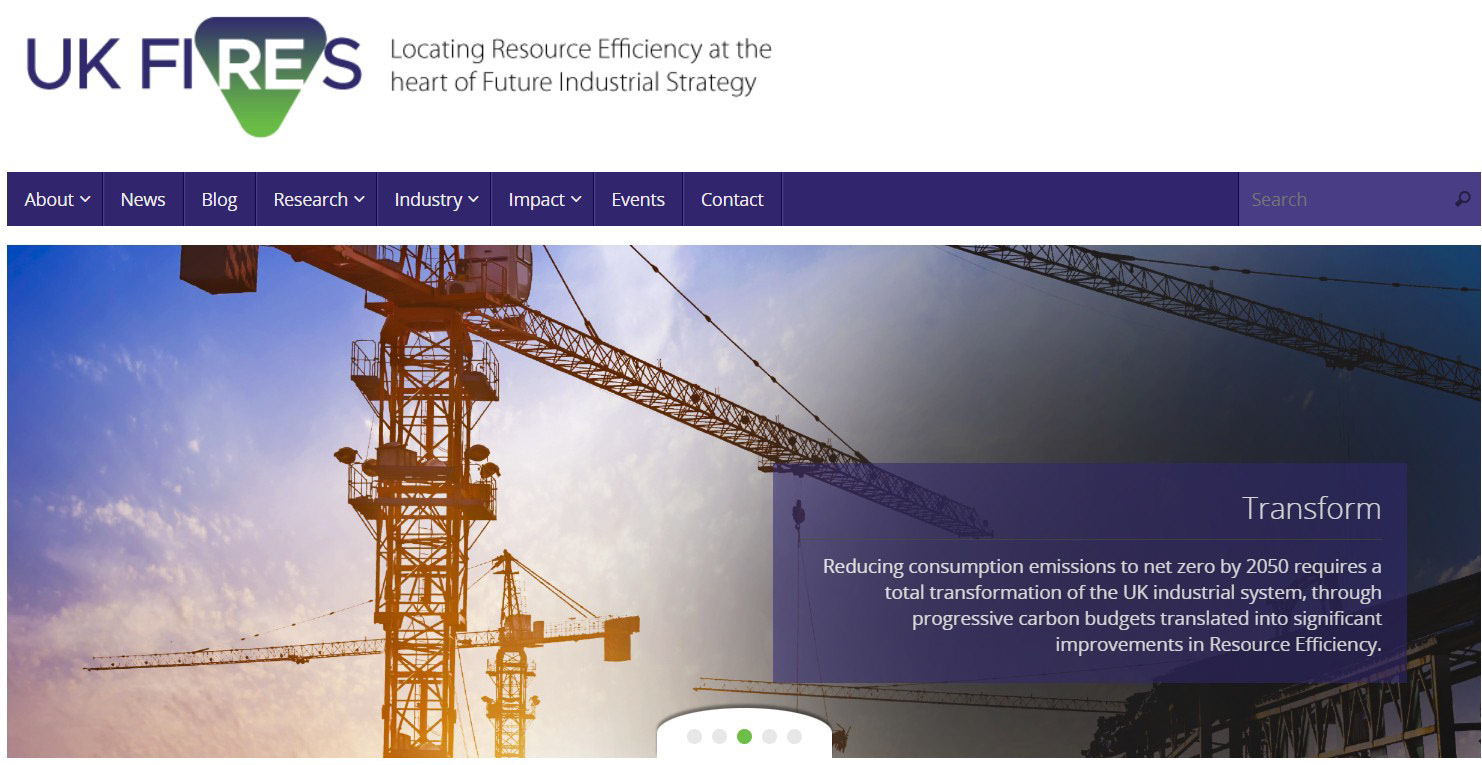
UK FIRES incorporates connections with multiple international partners, stakeholders, funders and sponsors to share knowledge and collaborate more effectively on resource efficiency. I developed this brand and built the site using Wordpress. I also developed and edited the content for 5 years.
UI / UX Design
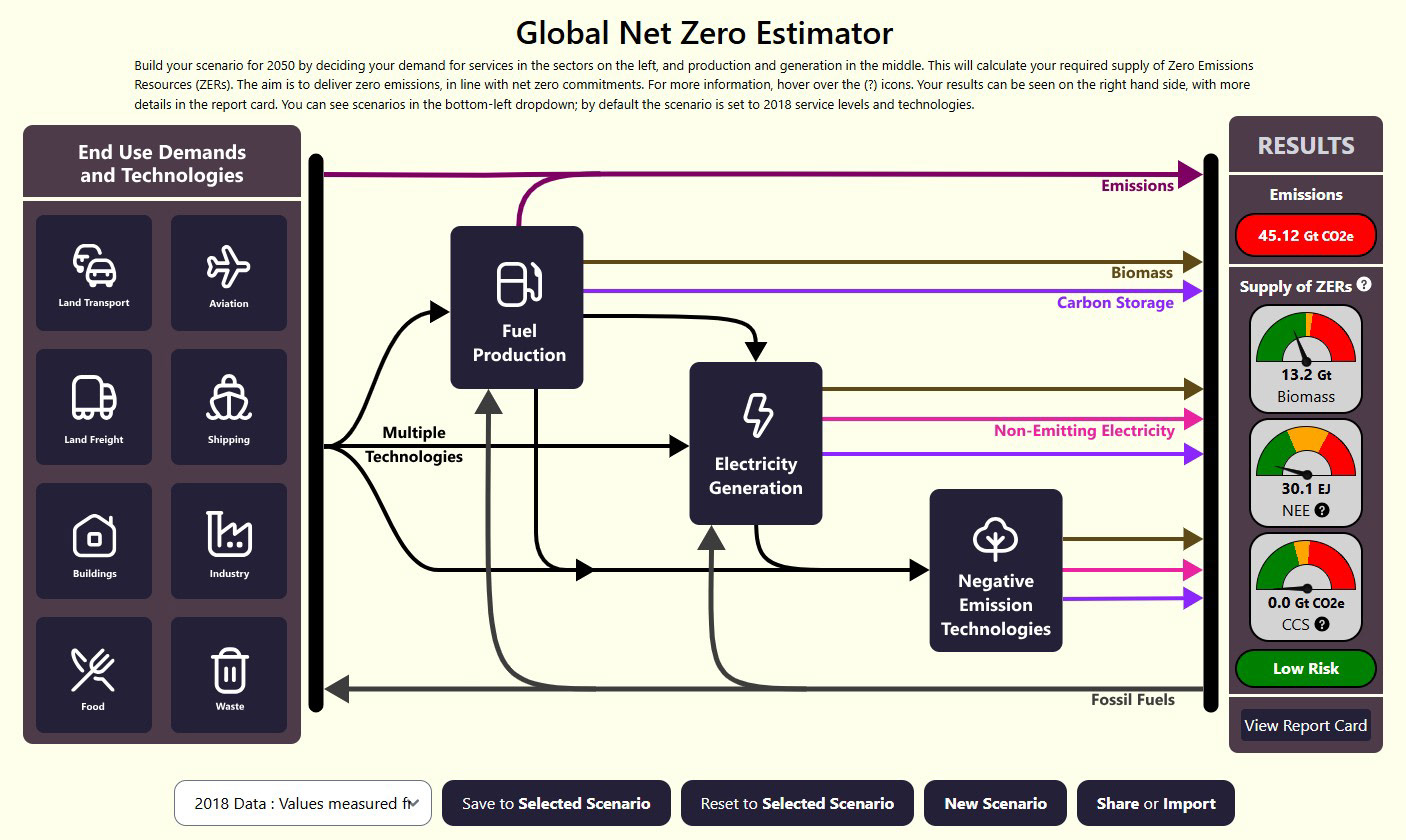
I led the UX / UI design of climate knowledge-sharing tool, ZERcalc, an interactive zero-emissions resources visualiser.
I developed a flowchart of user interaction and mock-up designs which I presented t to developers and beta testers. I oversaw the design and beta-testing of the final calculator, now used internationally by partners to visualize their energy, emissions and zero-emissions resources, helping enterprises of all sizes to train and share knowledge about resource efficiency, in order to transition to a greener economy
Process
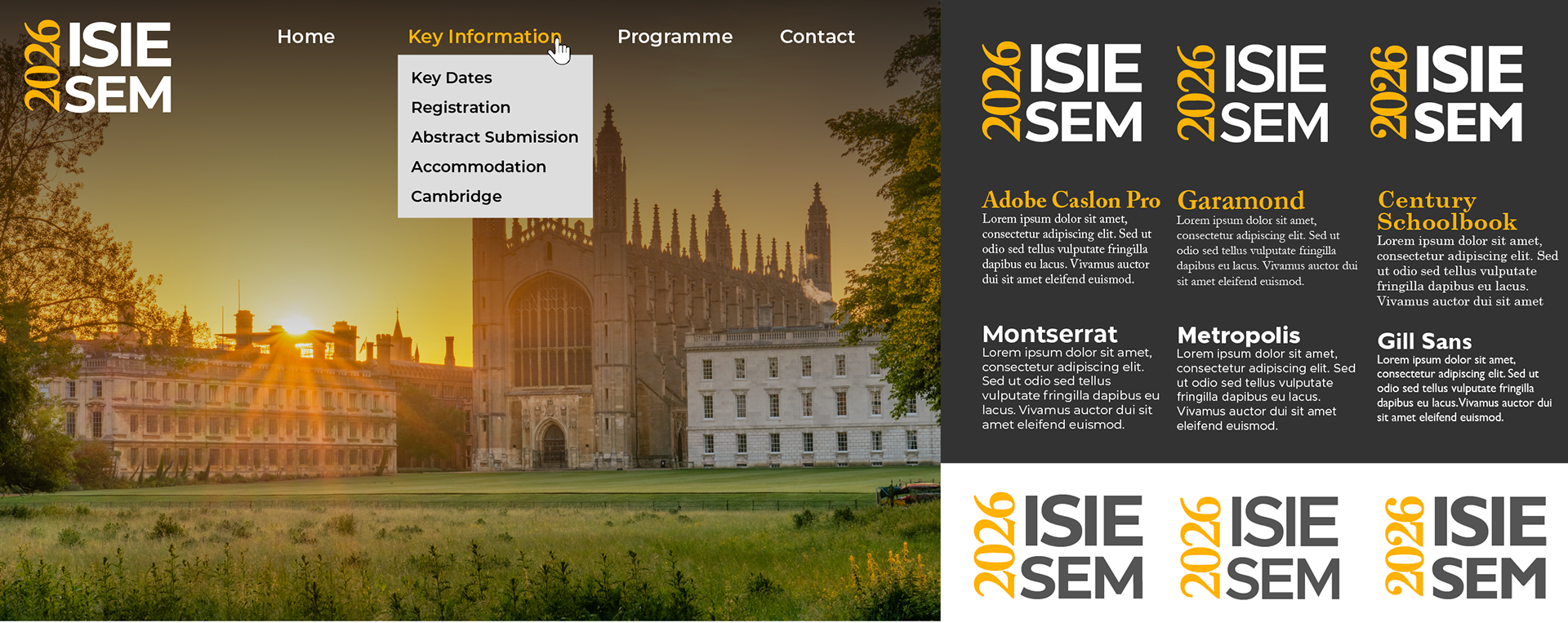
I usually begin by creating a mock-up of the visual ldentity of the site using Illustrator, along with a flowchart of the user interaction, on which I base the menu structure. I present this to key stakeholders as part of brand and UX development, then implement and iteratively edit the HTML and CSS according to feedback, and manage sites and content long-term.
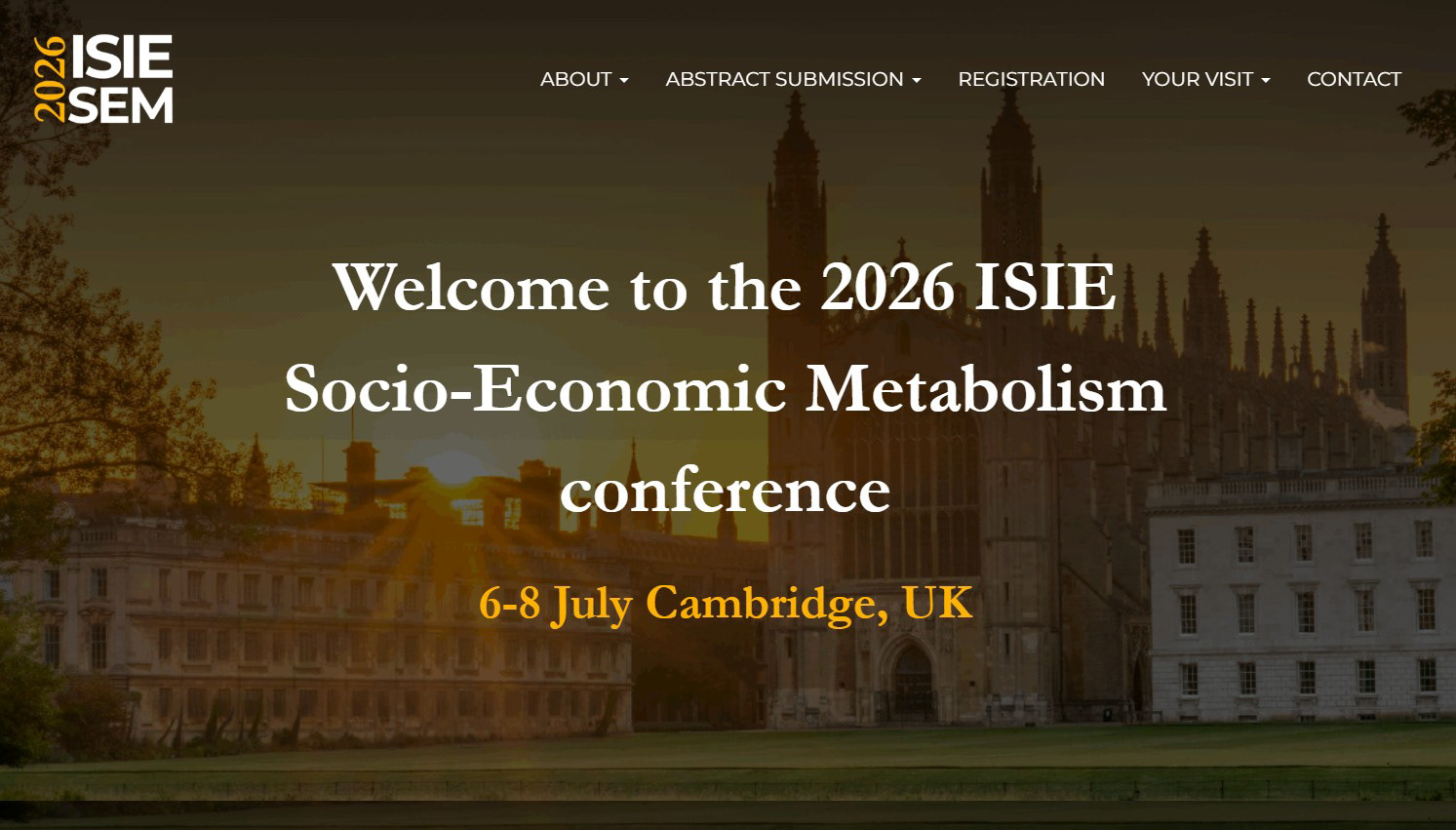
I then choose the most appropriate tool for the site. A larger, more complex structure is better suited to Drupal because of its remarkable functionality in categorising and organising content using taxonomy and entity referencing. A simpler structure with attractive interactivity is often better on Wordpress, like the final version of the SEM Conference site, mocked-up above.